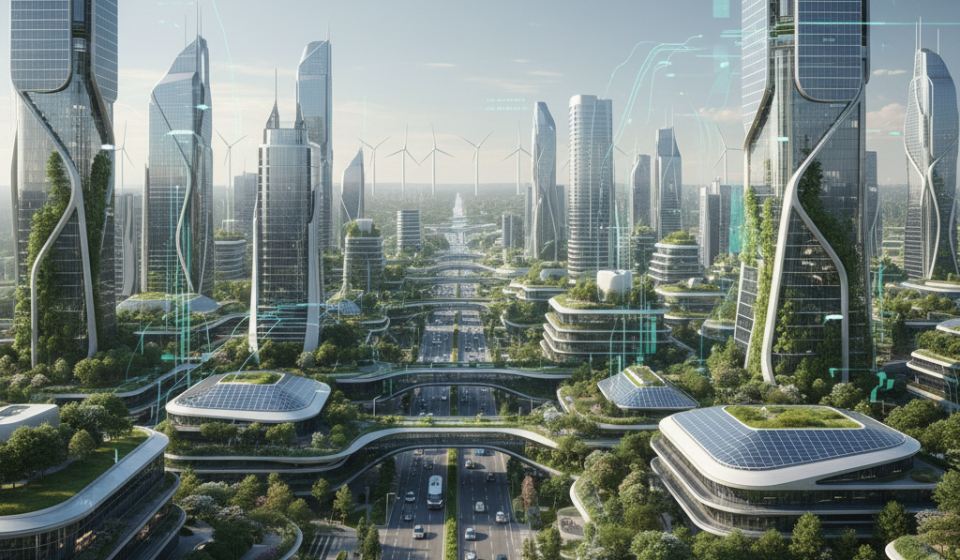

The Dawn of Sustainable Business: A Paradigm Shift
The global business landscape is undergoing a profound transformation. What was once seen as a niche concern – environmental and social responsibility – has now firmly cemented itself as a core component of sustainable growth and profitability. Companies worldwide are realizing that “doing good” is no longer just a marketing slogan; it’s a strategic imperative that directly impacts their bottom line, brand reputation, and long-term viability. This shift is driven by a confluence of factors, including increasing consumer awareness, stricter regulatory frameworks, and a growing understanding of the economic risks associated with climate change and resource depletion.
From Compliance to Competitive Advantage: The Evolution of Green Strategies
For decades, environmental initiatives in business were largely reactive, driven by compliance with governmental regulations. Today, however, leading organizations are proactively integrating sustainability into their entire value chain, viewing it as a source of innovation and competitive advantage. This involves reimagining everything from product design and manufacturing processes to supply chain management and consumer engagement. The focus has moved beyond simply reducing harm to actively creating positive social and environmental impact.
Key Pillars of Sustainable Business Practices
Circular Economy: Redefining Production and Consumption
A crucial element of this green revolution is the adoption of circular economy principles. Unlike the traditional linear “take-make-dispose” model, a circular economy aims to keep resources in use for as long as possible, extract the maximum value from them whilst in use, then recover and regenerate products and materials at the end of each service life. This involves:
- Sustainable Sourcing: Prioritizing renewable, recycled, or responsibly sourced materials.
- Resource Efficiency: Minimizing waste and maximizing the efficiency of energy and water use in operations.
- Product Longevity: Designing products for durability, repairability, and upgradability.
- Recycling & Regeneration: Establishing robust systems for collecting, reusing, and recycling materials.
Renewable Energy: Powering a Greener Future
The transition to renewable energy sources is another cornerstone of sustainable business. Companies are increasingly investing in solar, wind, and other clean energy technologies to power their operations, reducing their carbon footprint and hedging against volatile fossil fuel prices. This move is not only environmentally responsible but also economically astute, with renewable energy costs continuing to decline.
Ethical Supply Chains: Transparency and Responsibility
Ensuring ethical and transparent supply chains has become paramount. Businesses are under increasing scrutiny to guarantee that their products are not linked to labor exploitation, human rights abuses, or environmentally destructive practices. This requires rigorous due diligence, supplier audits, and a commitment to fair wages and safe working conditions across their entire network.
The Impact: Beyond Environmental Benefits
Enhanced Brand Reputation and Consumer Loyalty
Consumers, particularly younger generations, are increasingly prioritizing brands with strong sustainability credentials. Companies that demonstrate a genuine commitment to environmental and social responsibility often experience enhanced brand reputation, increased customer loyalty, and a stronger competitive edge.
Cost Savings and Operational Efficiency
Implementing sustainable practices can also lead to significant cost savings. Reduced energy consumption, waste minimization, and efficient resource management directly translate to lower operational expenses. Furthermore, innovation driven by sustainability often leads to more efficient processes and new product development.
Attracting and Retaining Top Talent
In today’s dynamic job market, employees are drawn to companies that align with their values. Organizations committed to sustainability often find it easier to attract and retain top talent, as prospective employees seek purpose-driven work environments.
Looking Ahead: The Imperative for Continuous Innovation
The journey towards a fully sustainable business model is ongoing and requires continuous innovation and adaptation. Technologies like AI and blockchain are emerging as powerful tools to enhance transparency, optimize resource utilization, and accelerate the transition to a greener economy. The businesses that embrace these challenges and opportunities will not only thrive in the coming decades but will also play a critical role in shaping a more sustainable and equitable future for all.