
The Dawn of Embedded Intelligence
In an age dominated by flashy smartphones and powerful computers, a more subtle, yet profound, technological revolution is quietly unfolding. This is the era of embedded technology – the integration of computing and software into devices that aren’t primarily perceived as computers. From smart home appliances to sophisticated medical devices and industrial machinery, embedded systems are the invisible architects reshaping our daily lives and driving unprecedented innovation across industries.
Smart Homes and Beyond: The Ubiquitous Presence
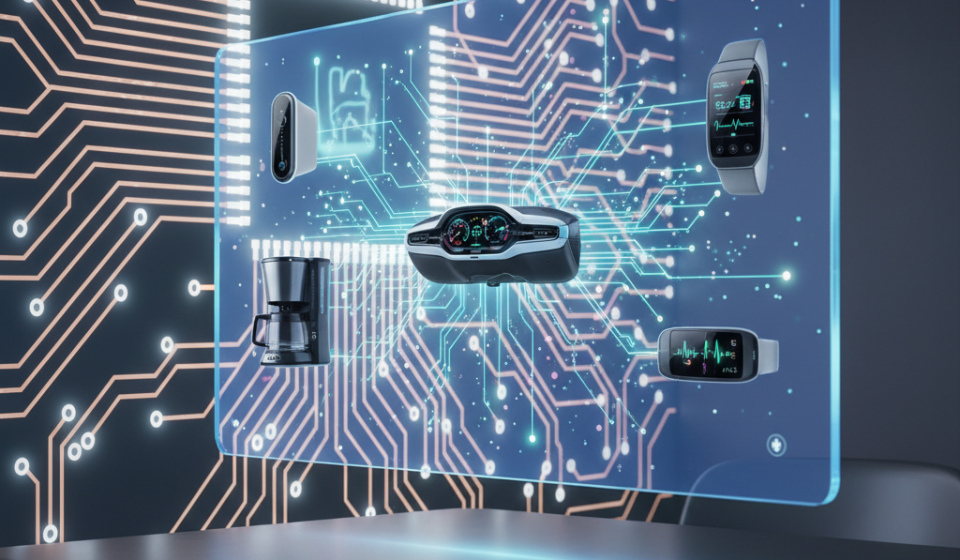
The most visible manifestation of embedded tech is arguably within our homes. Smart thermostats learn our preferences, intelligent refrigerators track inventory, and networked security cameras keep us safe. But the reach extends far beyond convenience.
- Healthcare: Wearable health trackers, remote patient monitoring systems, and advanced diagnostic equipment all rely heavily on embedded technology for data collection, analysis, and real-time intervention.
- Automotive: Modern vehicles are essentially computers on wheels, with embedded systems managing everything from engine performance and infotainment to advanced driver-assistance systems (ADAS) and autonomous driving capabilities.
- Industry 4.0: In manufacturing, embedded sensors and actuators power smart factories, enabling predictive maintenance, optimizing production lines, and ensuring quality control.
The Power Behind the Scenes: How it Works
At its core, an embedded system is a computer system with a dedicated function within a larger mechanical or electronic system. Unlike general-purpose computers, these systems are often designed for specific tasks, optimized for efficiency, and operate within stringent resource constraints.
Key Components:
- Microcontrollers/Microprocessors: The brains of the operation, executing code and managing device functions.
- Memory: Stores the embedded software and data.
- Sensors: Gather data from the physical world (temperature, pressure, light, motion, etc.).
- Actuators: Translate electrical signals into physical actions (motors, relays, displays).
- Connectivity Modules: Enable communication with other devices and networks (Wi-Fi, Bluetooth, cellular).
The synergistic interplay of these components allows embedded systems to collect data, process information, make decisions, and interact with their environment, often autonomously.
Challenges and Opportunities in Embedded Systems
While the benefits are clear, the development and deployment of embedded systems present unique challenges:
- Security: As these devices become more interconnected, robust security measures are paramount to prevent data breaches and malicious attacks.
- Power Consumption: Many embedded devices operate on limited power sources, necessitating ultra-low power designs.
- Real-time Performance: For critical applications like medical devices or autonomous vehicles, guaranteed real-time response is crucial.
- Complexity: Designing, programming, and debugging embedded systems can be highly complex due to hardware-software interactions.
Despite these hurdles, the opportunities are immense. The continuous miniaturization of components, advancements in sensor technology, and the proliferation of the Internet of Things (IoT) are driving rapid growth in this sector. Embedded technology is not just about making existing devices smarter; it’s about enabling entirely new functionalities and creating revolutionary products that will redefine industries and elevate human experiences.
The Future is Integrated
The trajectory of embedded technology points towards an increasingly integrated and intelligent world. We can expect more sophisticated AI at the edge, allowing devices to process data locally and react faster. The line between physical objects and digital services will blur further, creating seamless ecosystems where devices anticipate our needs and operate harmoniously. This invisible revolution, powered by embedded intelligence, is not just a trend; it’s the foundational layer of our connected future.